

Click Image To Return To Hub Main Page
-
Companies Mentioned on this website and other spaces maintained by Perspective Reports are not affiliated with Perspective Reports Unless otherwise stated. All for educational and entertainment purposes unless otherwise stated.
Net Neutrality
Net Neutrality: The New Economics of the Internet
It's 2025. The battle for the "open" internet has evolved. Here's what that means for you.
Key Moments in the Saga
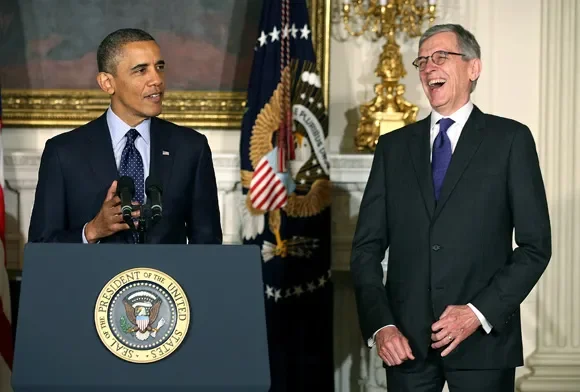
2015: The Peak of Regulation
The FCC under the Obama administration classifies ISPs as Title II common carriers, giving it strong regulatory power to enforce net neutrality rules.
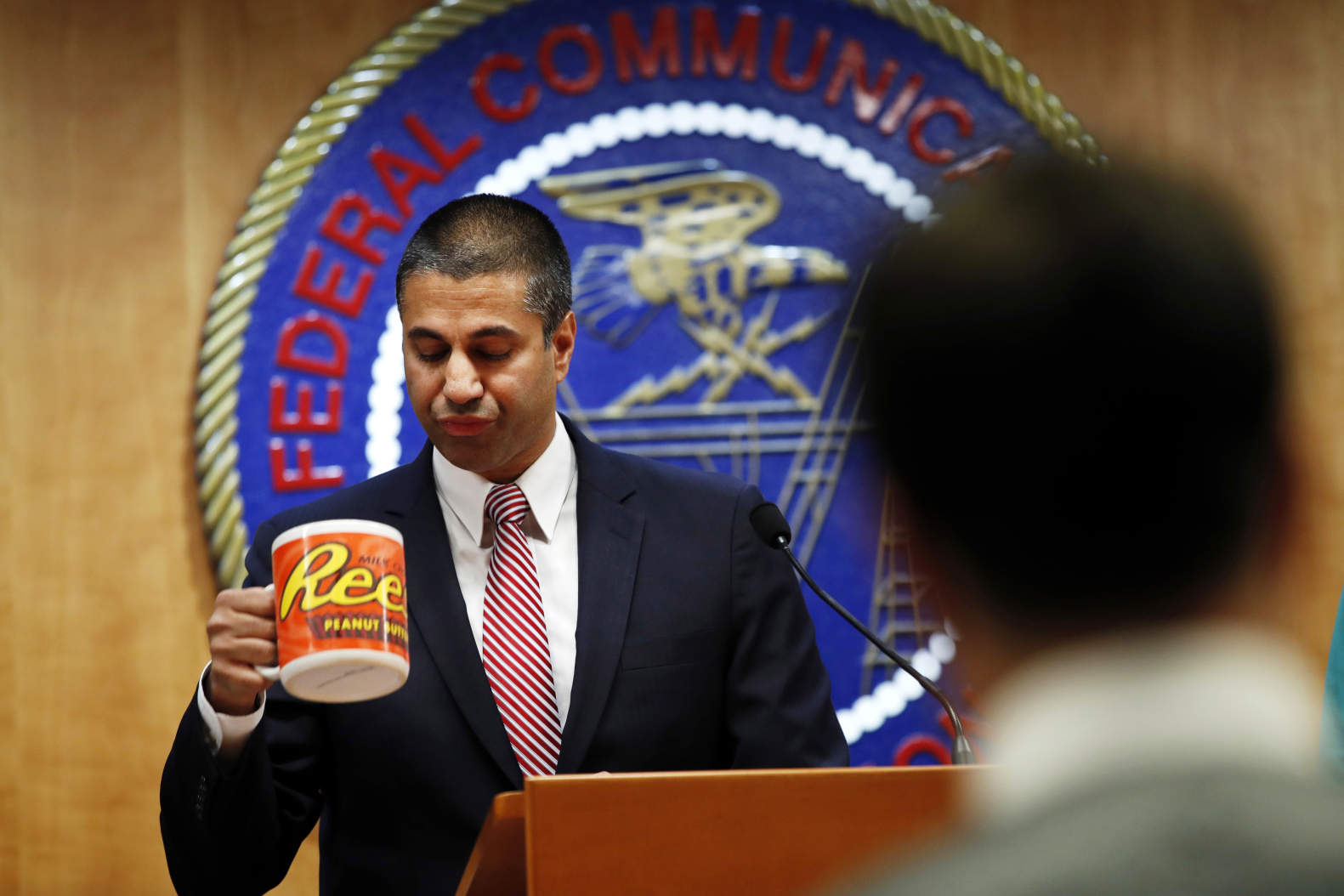
2017-2018: The Repeal
Under Chairman Ajit Pai, the FCC votes to repeal the 2015 rules. The repeal becomes official in June 2018, despite a Senate vote to block it.
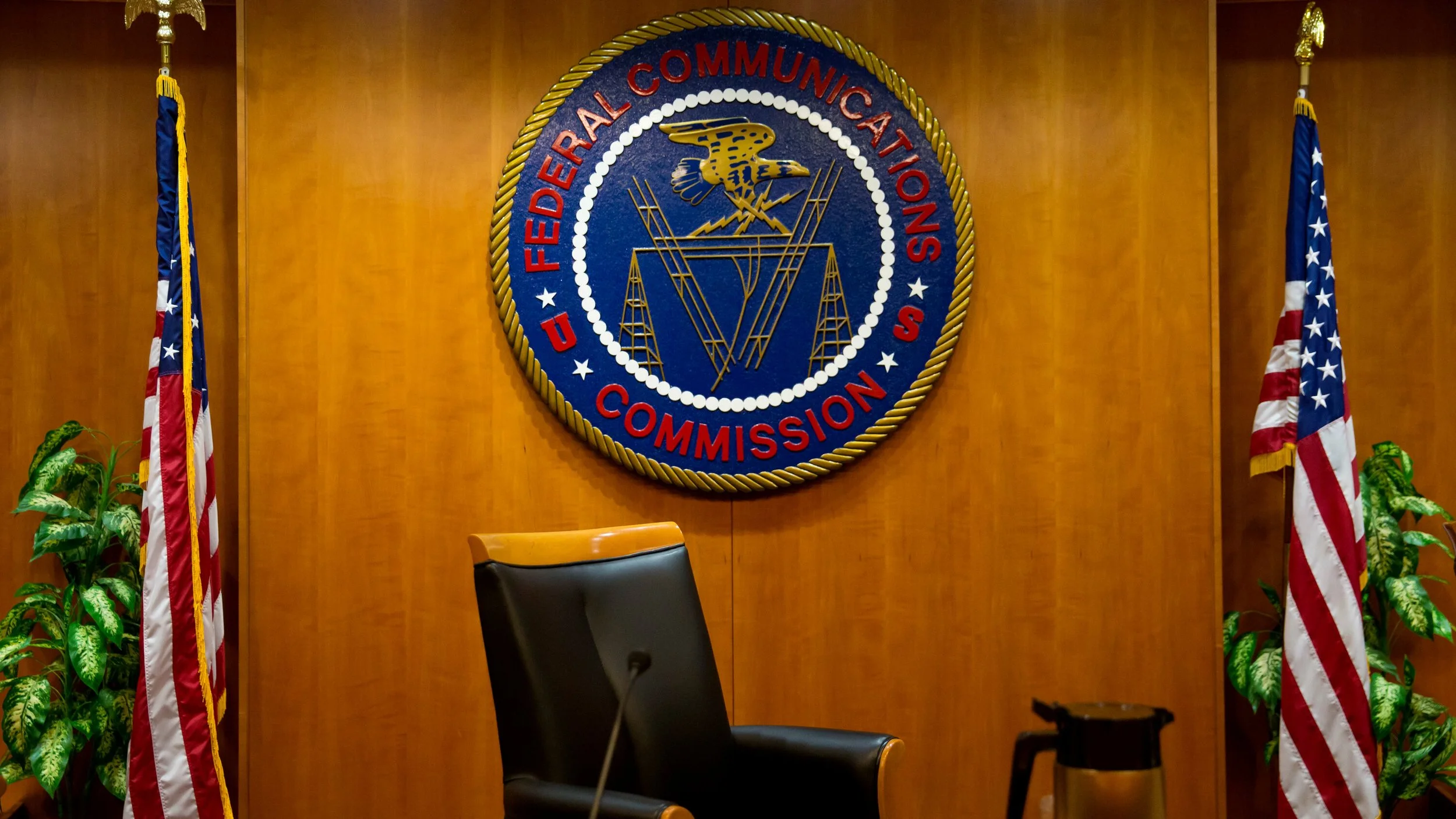
2024-2025: The Final Shift
The FCC votes to restore net neutrality in April 2024, but a Jan 2025 Circuit Court ruling solidifies that ISPs are "information services," ending federal regulation.
What This Means for the Future

1. Your Internet is a Commodity
The top providers—Comcast, Charter, Verizon, and AT&T—dominate the market and are driven by shareholder value, not public service.
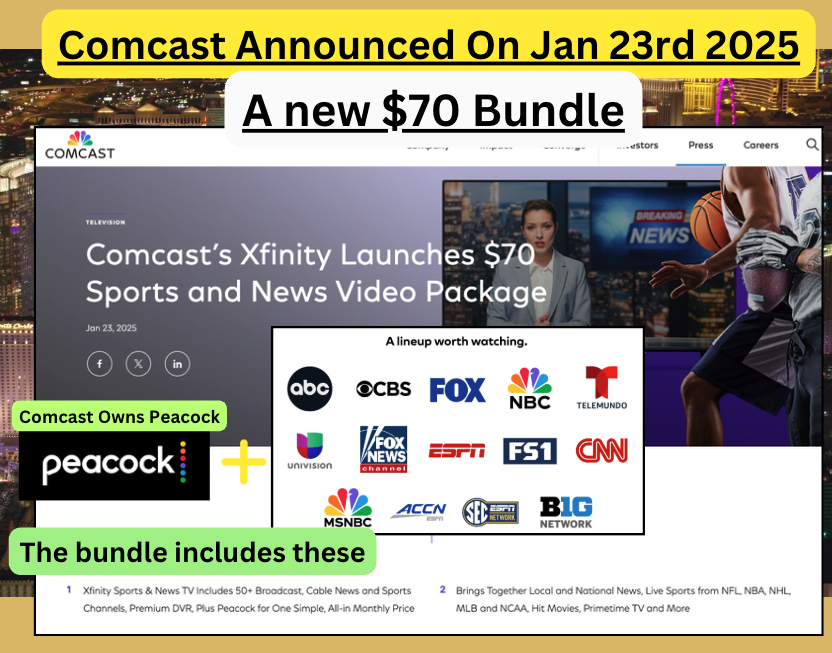
2. The Age of the Bundle is Here
The business model is shifting to selling you a curated digital life. By bundling services, companies increase value and make it harder to switch.

3. A New Digital Divide
A two-tiered internet is likely, where premium packages offer a seamless experience while basic access may be limited—the outcome net neutrality was meant to prevent.
Net Neutrality: The New Economics of the Internet
It's 2025. The battle for the "open" internet has evolved. Here's what that means for you.
Charts
Google Search Trends
YouTube Search Trends
Background
Net neutrality is the foundational principle that Internet Service Providers (ISPs) must treat all data on the internet equally, without discrimination or differential charging. This concept frames the internet as a public utility, similar to electricity or water, that should be accessible to all without interference. The central debate has been managed by the Federal Communications Commission (FCC), which has gone back and forth on how to classify internet providers. Under the Obama administration, the FCC classified ISPs as Title II common carriers, giving the agency strong regulatory power to enforce net neutrality. However, these rules were later repealed under the Trump administration, reclassifying ISPs as information services to supposedly encourage corporate investment and innovation.
Proponents of net neutrality worry that without these rules, ISPs could engage in practices like throttling (slowing down), blocking content, or creating "fast lanes" through paid prioritization. The repeal effectively shifted the battleground, leading many individual states to enact their own net neutrality laws. A 2024 attempt to restore federal rules was ultimately blocked by a circuit court in early 2025, cementing the internet's regulatory status as a state-level issue for the foreseeable future. This has created a complex patchwork of laws across the country instead of a single federal standard. The ongoing discussion continues to question who should control the flow of information and at what cost to the consumer.
Country Of Origin: United States Of America
Suggested Strategies As of OCTOBER 2025
ACCESS TO THE INTERNET IS THE EASIEST WAY FOR PRESENT MULTI-BILLION DOLLAR TECH COMPANIES TO GROW, ESPECIALLY WITH AI CONSUMPTION, CRYPTO AND OTHER DIGITAL DEPENDENT PLATFORMS BECOME MORE MAINSTREAM.
1.
2.
A “platinum network” will be more viable with bundling and consolidating of services. An easy way to get all my digital subscriptions through mostly one place the better, allows for rival networks to exist and forces companies to have to make alliances together that align.
3.
Net Neutrality might be another forgotten talking point but it’s discourse is a precursor to the debate on access to technology and innovation that will only continue to steer our world and lives.
Internet is a right for all! How else would you watch or view my content? - Perspective X
Perspective Reports Content
Featuring Net Neutrality
Sources And Links To More Information: